



The hype about autonomous mobile robots (AMR) is finally over
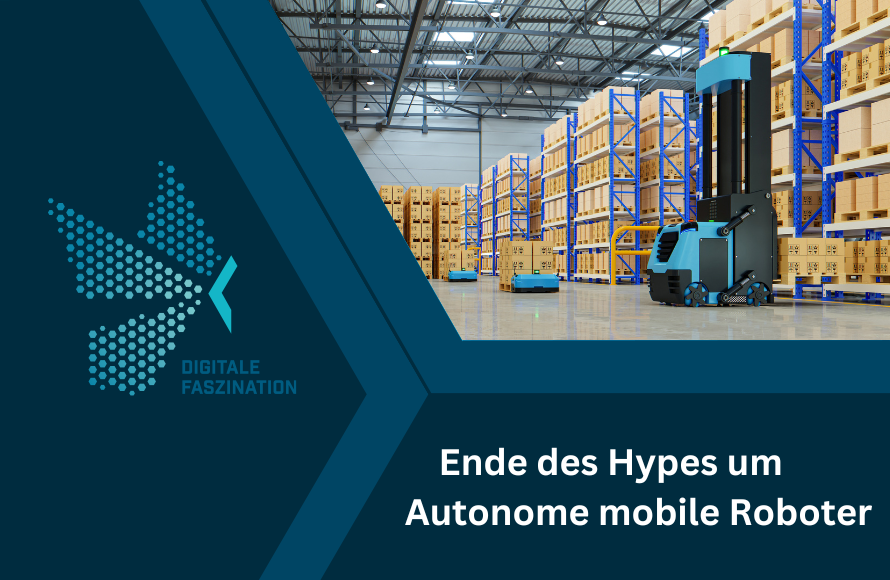
The latest Gartner Hype Cycle shows that the hype surrounding autonomous mobile robots (AMR) is over. For me personally, this is a very pleasing development. But what impact does this have on the manufacturers and users of AMR?
Understanding the Gartner Hype Cycle
The Gartner Hype Cycle is not a measure of the market volume or the suitability of a technology. Rather, it shows how high the expectations of a technology are. Shortly before the Covid pandemic, there was great enthusiasm for AMRs, and many people dreamed of fast, comprehensive automation of internal goods transportation.
Disillusionment as an opportunity for realistic progress
Today it is clear that these expectations were exaggerated. “Autonomy” alone does not solve all problems and brings with it new challenges.
In the past, many companies primarily wanted to implement “lighthouse projects” in order to present themselves as particularly innovative. These projects were often more for show than for real benefit. Now that the hype has died down, we can focus on the real added value that mobile robots offer.
It also means we can finally put the debate about the degree of autonomy of mobile robots and the distinction between AGV and AMR behind us. Because what really counts is the actual benefit that the technology offers.
The outlook for manufacturers
This phase represents an important change for manufacturers. Many AMR companies have changed hands in the last five years. This phase of unrest appears to be calming down, even if the consolidation in the sector is likely to continue for another year or two.
Market analyses continue to forecast double-digit growth rates for the sector. The manufacturing costs per vehicle fall as the number of units produced increases. Manufacturers need to focus on developing efficient production processes while providing excellent service, as this is becoming increasingly important to customers.
The strategic importance for production companies
In the coming years, mobile robots will significantly change the production environment, especially logistics. Companies that do not start preparing for this transformation now risk falling behind the competition. In addition to the classic reasons for using automation technology, labor shortages are increasingly being cited as an argument for automation using mobile robots.
The path to real added value
Getting started in automation with mobile robots is often difficult. These steps will help you get started.
- Identify suitable use cases:
Create a list of all possible use cases. Then evaluate the potential savings and the complexity of the application. - Strategic planning:
Are you planning to use several different mobile robots in the same environment in the long term? In this case, the choice of a suitable guidance system is crucial. - Rethink framework conditions:
Small changes to processes and framework conditions can often significantly increase the efficiency of mobile robots. - Create a detailed specification sheet:
A good specification sheet is crucial. It should clearly define all requirements in order to avoid subsequent costs and delays.
Do you have any questions? Make an appointment now for a free initial consultation.